The leaves are starting to turn, the swim schedule is thinning out, and your pool is asking you a question: are we closing up shop, or are we riding this out through fall? Depending on where you live, that's not a rhetorical question — it's the whole game plan.
If you're closing for the season, the sequence below is the difference between opening a clean pool in April and opening a swamp — pair it with our full closing walkthrough if you want the complete mechanical rundown alongside the timing here. If your pool stays open through the cooler months, skip ahead to the playbook for keeping your chemistry balanced once the leaves start falling and the water starts cooling.
The Week Your Pool Actually Closes
Most of the damage that showed up last spring didn't happen over the winter — it happened the week you closed, when everything got rushed into a single Saturday. A good closing actually starts about a week out, not the morning of.
Begin with a full chlorine shock five to seven days before you plan to close. This is your last real shot at oxidizing whatever's built up in the water before it sits untouched for months, so don't skip it because the pool "looks fine." A couple of days later, switch to a chlorine-free shock — it finishes that job without leaving your chlorine level high right before you close. You should also check and treat phosphate levels if any are present to help prevent problems over the off-season. The day before closing, treat for stains and scale, so your surfaces and equipment aren't spending the winter fighting mineral buildup they didn't need to.
Closing day itself is where the actual to-do list lives: rebalance pH, alkalinity, and calcium hardness one final time if needed, drop the water four to six inches below the skimmer (your cover type decides the exact number, so don't guess — consult your local Pool Pro as needed), work in a winter algaecide and a slow-release floater — most of that comes bundled in a closing kit sized to your pool, so you're not eyeballing individual doses this late in the process — and blow out the lines before adding antifreeze if hard freezes are a real possibility where you live.
Closing Callouts: Here's where people undo their own good work — shocking with chlorine and then immediately dosing algaecide the same day. A high chlorine level can damage some cover materials and neutralize the algaecide before it has a chance to work, so if you shock on closing day, plan to wait about a month before adding algaecide instead of doing both at once.
One more thing worth the extra few minutes: an enzyme-based water treatment added to the closing routine breaks down nonliving oils, lotions, and sunscreen residue that chlorine struggles to remove completely on its own — which is what causes that unsightly scum line every spring.
Staying Open Doesn't Mean Staying on Autopilot
If your pool doesn't close, Fall isn't a quieter version of summer — it's a different set of problems wearing summer's clothes. Cooling water and falling leaves are working against you at the same time, and the instinct to just ease off everything is usually wrong in one specific way.
Take chlorine demand first. It's true that cooler water typically needs less of it — fewer swimmers, less sunscreen and body oil going in, slower algae growth overall. But "usually lowers" is not the same sentence as "no longer needed," and dialing back your chlorinator because the calendar changed, without actually checking water parameters, is how a pool drifts out of balance quietly.
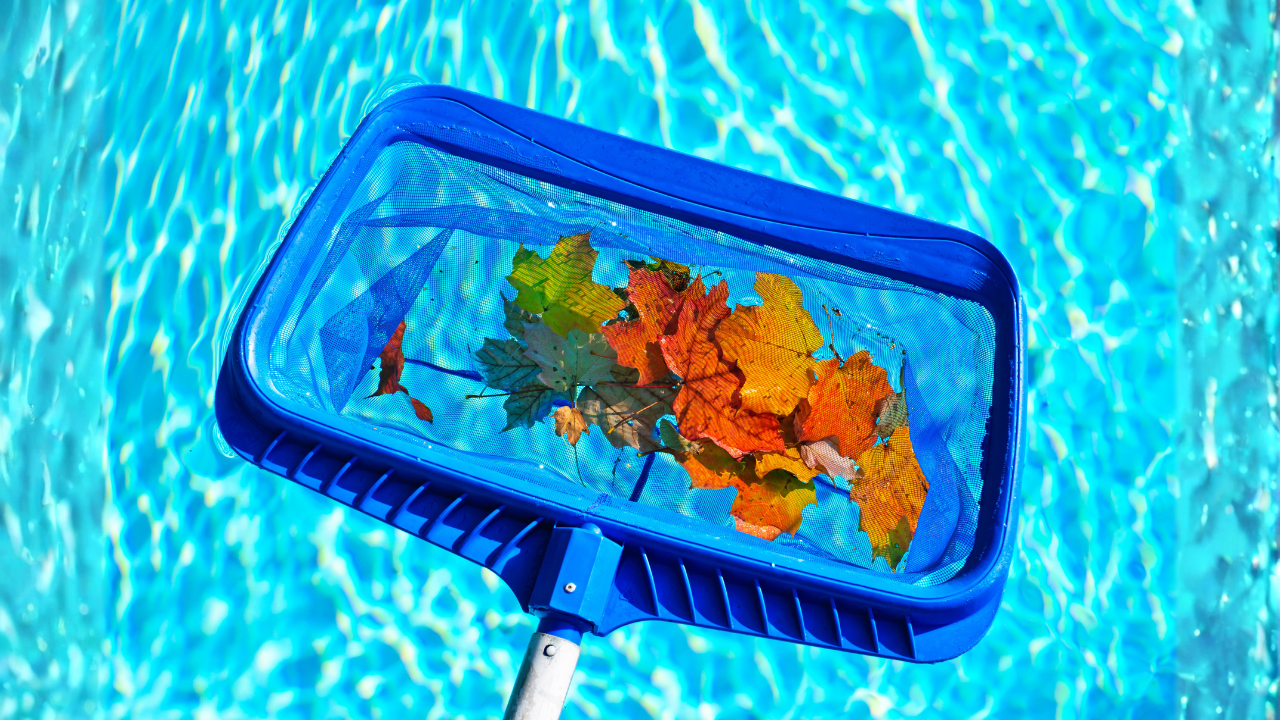
Then there are the leaves, which do more to your water than make it look messy. As they decompose, they release tannins, oils, and phosphates, and phosphates in particular are the quiet troublemaker in this story — they can cause problems and headaches for pool owners, especially as levels climb higher. Keeping phosphate levels as close to 0 parts per billion as possible is a tip for success all pool owners should know. An enzyme treatment used weekly picks up what chlorine can't fully break down, and a polymer clarifier after a heavy leaf-drop day helps your filter catch what's left.
None of this works without circulation, so don't let a cooler pool talk you into shorter pump runtimes. Six to eight hours of daily filtration is still the baseline, and a filter that's climbed eight to ten PSI above its normal pressure needs cleaning regardless of the season. A cover that actually fits your pool — mesh or solid — will cut fall debris and chemical demand significantly, sometimes even up to 30-40%.
The last habit worth building: treat every storm as a test of your assumptions, not a formality to shrug off. Wind and rain will expose a dosing schedule that's too light far faster than clear-looking water ever will, and the chemistry can be sliding well before you can see any issues.
The Real Deadline Isn't the Calendar
A closing date and a "good enough for now" chemical routine are both stand-ins for the same question: is the water actually where it needs to be, or does it just look that way? Whichever track your pool is on this fall, that's the question worth answering before the weather makes it for you.
Not sure which products fit your specific setup? Find a Pool Pro near you for a season-end chemical check and a closing (or cool-weather) plan built around your pool.
Popular Blogs
Navigating Pool Care Before, During & After a Freeze
Is a major cold front moving your way, bringing with it freezing temperatures and challenging conditions? This is a call for all pool owners to prepare and take a few simple steps to prot...
Popular
7 Things to Know About Swimming Pool Remodeling and Maintenance
Oh, the joys of owning a swimming pool! You enjoy countless hours of ease, entertainment, and exercise. But when you’ve loved your pool so much that it’s ti....
Popular
A New Generation of Pool Finishes
Generally, pool plaster tends to erode over time. This causes the pool surface to cut, scrape, and scratch the skin. A pool plaster finish typically lasts between 5 and IO years. This figure is all based on proper water chemistry and maintenance. For pool owners that want or need to remodel their plaster, there are new types of pool finishes that offer new looks and extended life.
Design Guide, Pool Finishes, Popular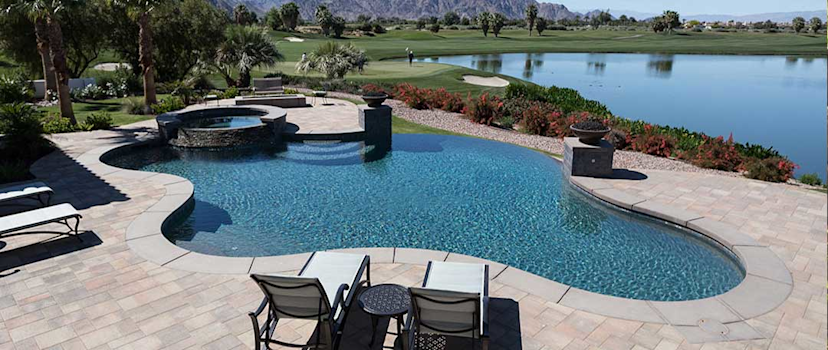
Fire Features: Light Up Your Pool Area
There’s a chill in the air – but that’s no reason to board up the backyard swimming pool area for the winter! In fact, there are so many events and activities that you can ...
Buying Guide, Fire Features, Fire Pits, Fireplaces, Fire Walls, Grill, Outdoor Kitchen, Popular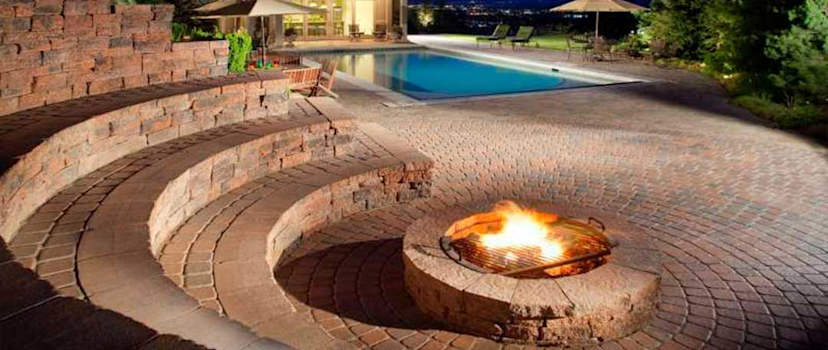
Backyard Shade Structures: Throw Shade on Hot Days
Old-growth trees that tower above your home and stretch their branches wide to provide a canopy of shade on hot summer days are wonderful. But many homes -- especially homes in new neighborhoods or in certain geographic regions -- lack shade trees. How are you supposed to temper the intensity of the sun’s rays if you lack trees? Conveniently, there are a number of backyard shade coverings that will allow you to enjoy the outdoors all summer long.
Buying Guide, Palapa, Patio Umbrella, Pergola Awning, Popular, Sail Shade, Shade Structures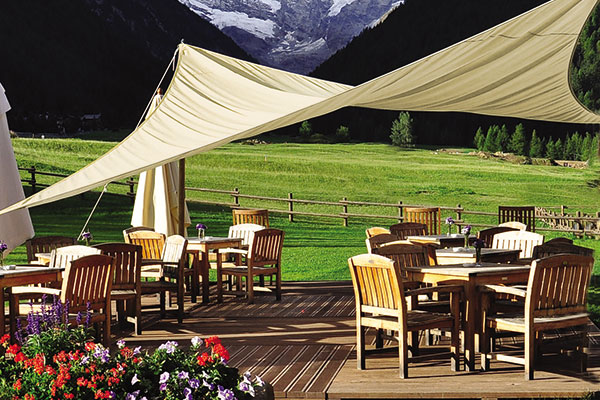
How Long Does it Take to Build a Pool?
So, you’re already dreaming of luxurious lounging and crystal blue water—You want to buy a pool. So how long does it take? Before you get too caught up in your dreams, read up on our step-by-step guide to building a pool. We broke down the process so you can plan ahead and start making those dreams into a reality:
How To, Pool Building, Popular
How to Lose Weight in the Pool – 12 Essential Water Workouts for Burning Fat
Did you know that a swimming pool provides one of the best fat burning workouts available? That’s because water is 800 times denser than air, so every time you kick, pull, or push the water, you’re doing a resistance workout, which burns fat and leads to lean muscle and an increased metabolism.
Fitness, Lifestyle, Popular, Swimming, Weight Loss