Closed isn't the same as done. A pool that gets ignored from the day you close it until the day you open it is also the pool most likely to hand you an ugly surprise in April — and almost every one of those surprises traces back to something small that went unchecked for months, not one big failure.
You don't need to hover over it all winter. Our full guide to freeze protection covers the mechanics of keeping equipment from cracking in a hard freeze; this is the shorter list of what's actually worth checking on, and how often, between now and whenever you open again.
Every Few Weeks: The Five-Minute Walk-By
You're not doing maintenance here, just confirming nothing's changed. Look at the cover: is it sitting where it should, or has wind, snow, or debris pulled it off a corner? Check the water level under the cover — it should sit where you left it, and a level that's dropped noticeably can point to a leak worth investigating before spring, not after. If you have a cover pump, confirm it's actually working, not just present; a pump that seized up in October isn't doing anything useful in January.
Weather Warnings: Whatever this winter's forecast says, don't treat a mild outlook as a reason to skip your freeze protection check. Verify your freeze sensor or automated system actually triggers — most let you test this manually — before the first real cold snap, not during it. A sudden hard freeze in a place that doesn't usually get them is exactly the scenario freeze protection exists for, and it can happen in Sun Belt and Snow Belt markets alike.
Once Mid-Winter: The Test You're Tempted to Skip
Have your water checked once, somewhere in the dead of winter — a local pool store can often test a sample for you. You're not trying to perfectly balance a closed pool; you're checking that nothing looks like it's drifted so far that it'll be a bigger job to sort out at opening. If the water looks rough — cloudy or colored — check the label on your winter chemical products or ask your pro what makes sense before adding anything. A little attention now is a lot less work than fighting an established bloom under the cover in March.

After Anything Heavy: Snow, Ice, or a Big Rain
A cover is only rated to hold so much weight. After a significant snowfall or ice event, check that the cover isn't sagging into the water under the load — a cover pump earns its keep here, clearing standing water off the top before it adds up. Don't sweep snow off by hand if you can avoid it; a stiff cover material can tear under direct pressure in the cold. If your cover pump can't keep up with what's landing on it, that's worth solving now, not remembering as a problem next fall.
What Not to Touch
It's tempting to "fix" things mid-winter that don't actually need it. Don't add water or chemicals on a hunch beyond what your closing program or your pro recommends, and don't pull the cover to inspect anything that isn't visibly wrong — every time the cover comes off, you're inviting in exactly the debris and sunlight exposure that closing was supposed to prevent. If something looks genuinely off — major water loss, a torn cover, visible green under clear ice — that's worth a call, not a DIY mid-winter reopening.
Get to Spring Without a Surprise Waiting for You
A closed pool asks very little of you most weeks — a glance at the cover, one test in the dead of winter, and attention after anything heavy. Skip all of it and you're not saving time, you're just moving the work to opening day, where it's harder and more expensive to fix. See what's available in covers and cover accessories if yours isn't keeping up its end, or Find a Pool Pro near you for a mid-winter check if you'd rather have someone else keep an eye on it.
Popular Blogs
Navigating Pool Care Before, During & After a Freeze
Is a major cold front moving your way, bringing with it freezing temperatures and challenging conditions? This is a call for all pool owners to prepare and take a few simple steps to prot...
Popular
7 Things to Know About Swimming Pool Remodeling and Maintenance
Oh, the joys of owning a swimming pool! You enjoy countless hours of ease, entertainment, and exercise. But when you’ve loved your pool so much that it’s ti....
Popular
A New Generation of Pool Finishes
Generally, pool plaster tends to erode over time. This causes the pool surface to cut, scrape, and scratch the skin. A pool plaster finish typically lasts between 5 and IO years. This figure is all based on proper water chemistry and maintenance. For pool owners that want or need to remodel their plaster, there are new types of pool finishes that offer new looks and extended life.
Design Guide, Pool Finishes, Popular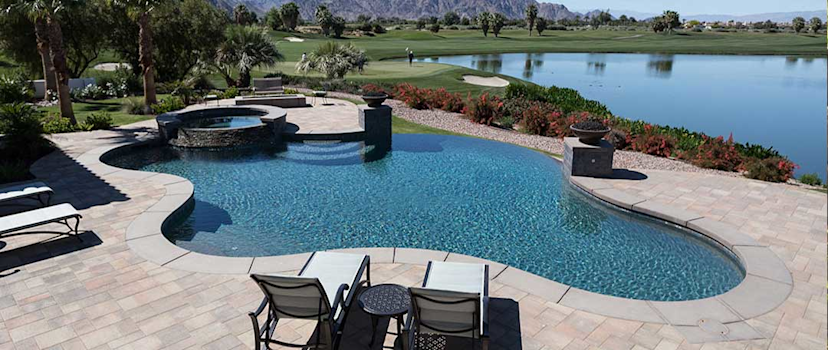
Fire Features: Light Up Your Pool Area
There’s a chill in the air – but that’s no reason to board up the backyard swimming pool area for the winter! In fact, there are so many events and activities that you can ...
Buying Guide, Fire Features, Fire Pits, Fireplaces, Fire Walls, Grill, Outdoor Kitchen, Popular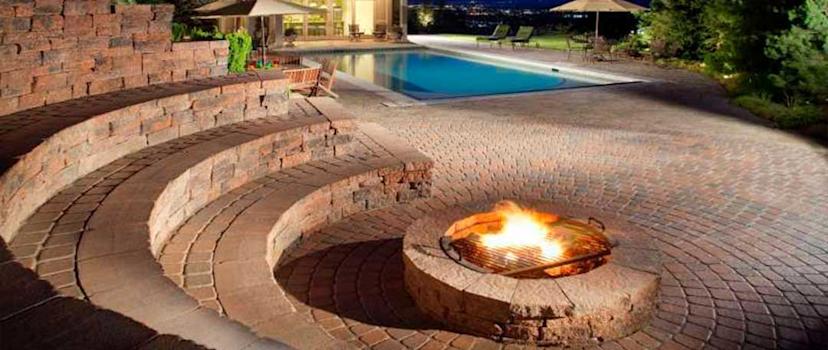
Backyard Shade Structures: Throw Shade on Hot Days
Old-growth trees that tower above your home and stretch their branches wide to provide a canopy of shade on hot summer days are wonderful. But many homes -- especially homes in new neighborhoods or in certain geographic regions -- lack shade trees. How are you supposed to temper the intensity of the sun’s rays if you lack trees? Conveniently, there are a number of backyard shade coverings that will allow you to enjoy the outdoors all summer long.
Buying Guide, Palapa, Patio Umbrella, Pergola Awning, Popular, Sail Shade, Shade Structures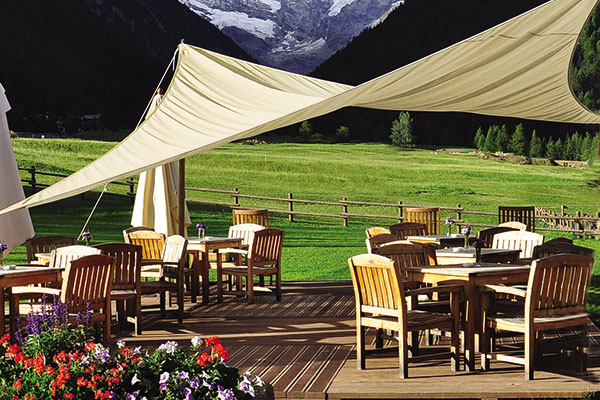
How Long Does it Take to Build a Pool?
So, you’re already dreaming of luxurious lounging and crystal blue water—You want to buy a pool. So how long does it take? Before you get too caught up in your dreams, read up on our step-by-step guide to building a pool. We broke down the process so you can plan ahead and start making those dreams into a reality:
How To, Pool Building, Popular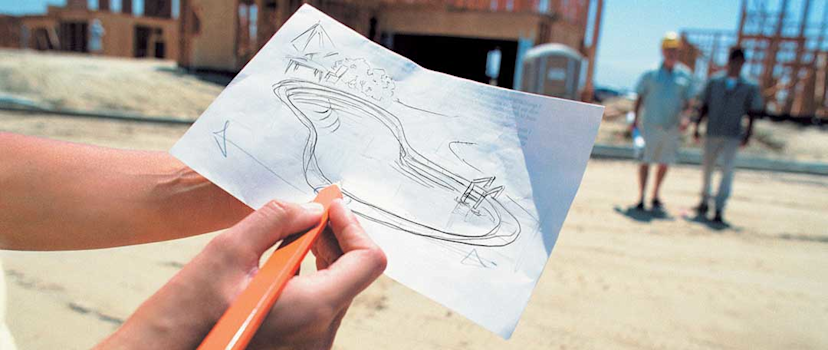
How to Lose Weight in the Pool – 12 Essential Water Workouts for Burning Fat
Did you know that a swimming pool provides one of the best fat burning workouts available? That’s because water is 800 times denser than air, so every time you kick, pull, or push the water, you’re doing a resistance workout, which burns fat and leads to lean muscle and an increased metabolism.
Fitness, Lifestyle, Popular, Swimming, Weight Loss