The Role of Pool Cleaners in Reducing Pool Allergens
Love swimming but are tired of constant sneezing and itchy eyes? Turns out you might be dealing with pool allergens. As spring approaches, so does pollen. While generally harmless, this white powdery substance poses a significant challenge for pool owners as it affects pool water purity, triggers allergies, and leads to maintenance issues.
When pool allergens become a nuisance, pool cleaners are your solution. Therefore, investing in one helps you enjoy a safe and relaxing swimming experience.
This blog thoroughly explores pool allergens and covers how pool cleaners help combat these stubborn entities.
What Are Pool Allergens? The Most Common Culprits
Different kinds of pool allergens lead to issues. Addressing them firsthand helps keep your pool clean and sparkling.
Pollen
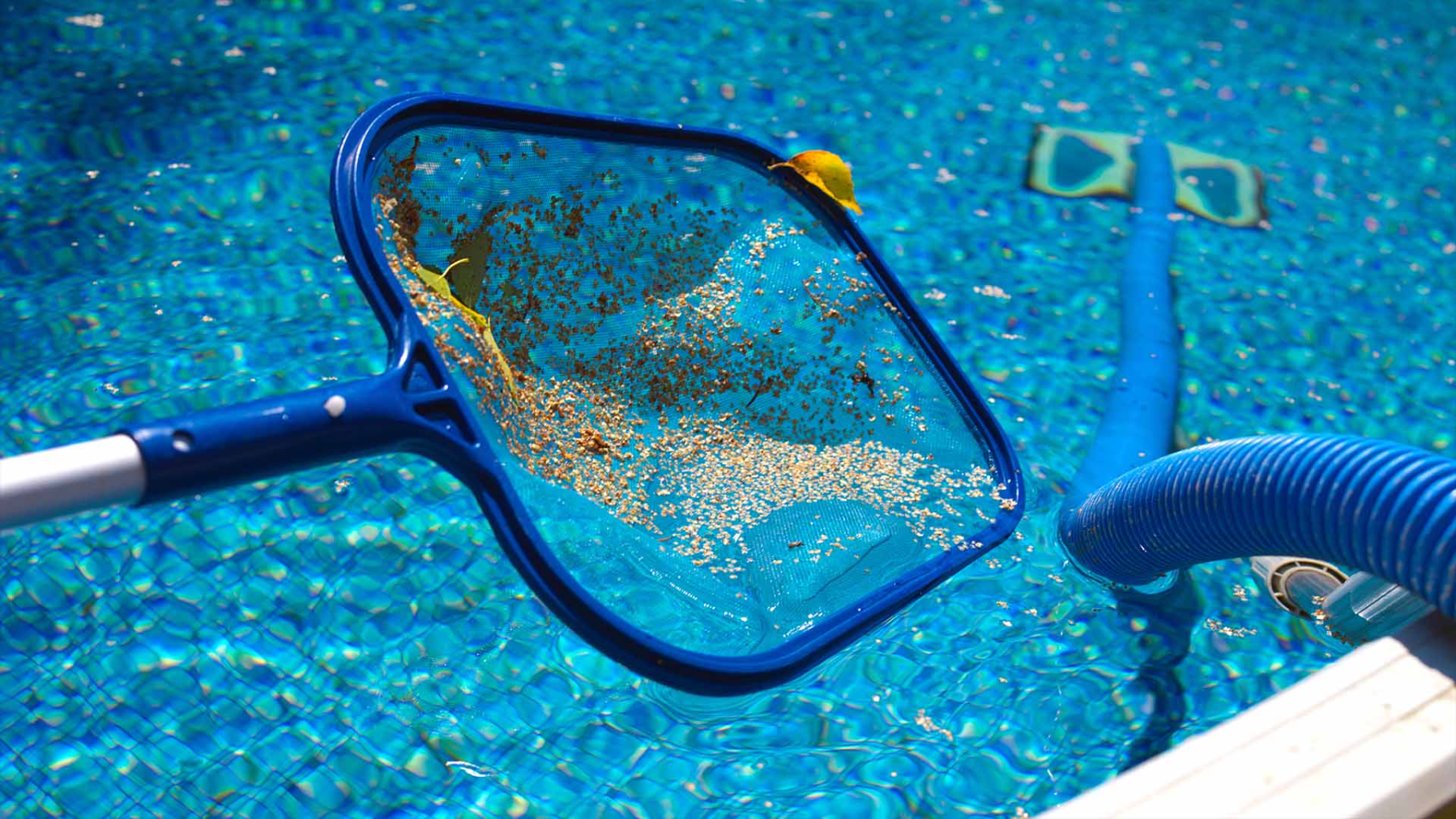
Pollen is the most common allergen in spring. Pollen is tiny grains of plant material that float into pools, resulting in a greenish or yellowish surface. They pollinate the pool, giving rise to several allergic reactions from sneezing to watery eyes, especially during spring or summer.
Algae Spores
Algae can be a nuisance, but they are innocent organisms that do not pose any real threat. However, when algae settles down on the surface of the pool, they can release an abundance of spores that could irritate the lungs and skin. Therefore, it is important to remove algae to keep a pool clean and healthy for swimming.
Mold Spores
Similar to algae spores, mold spores pose a maintenance challenge. They come from fungi grown in damp pool areas and can cause severe respiratory issues and skin rashes. If you spot white chunks or paper bits floating in your pool, they are mold spores.
Dust and Dirt
Dust and dirt settle into the pool often during rainy or windy seasons. They are pollutant particles or impurities that find their way into the pool water from the surrounding environment.
Chemical Residues (Chloramines)
Chlorine pools often affect certain people with respiratory issues, leading to red eyes and itchy skin. Many people mistake this for allergies. In reality, it happens due to hypersensitivity to chloramines (chemical residues). Chlorine dries the skin, and so worsens these symptoms. It may indirectly contribute to allergies in pool by irritating the respiratory tract. When these allergens turn your pool into a health hazard– it’s time for you act.
How Pool Cleaners Combat Allergens
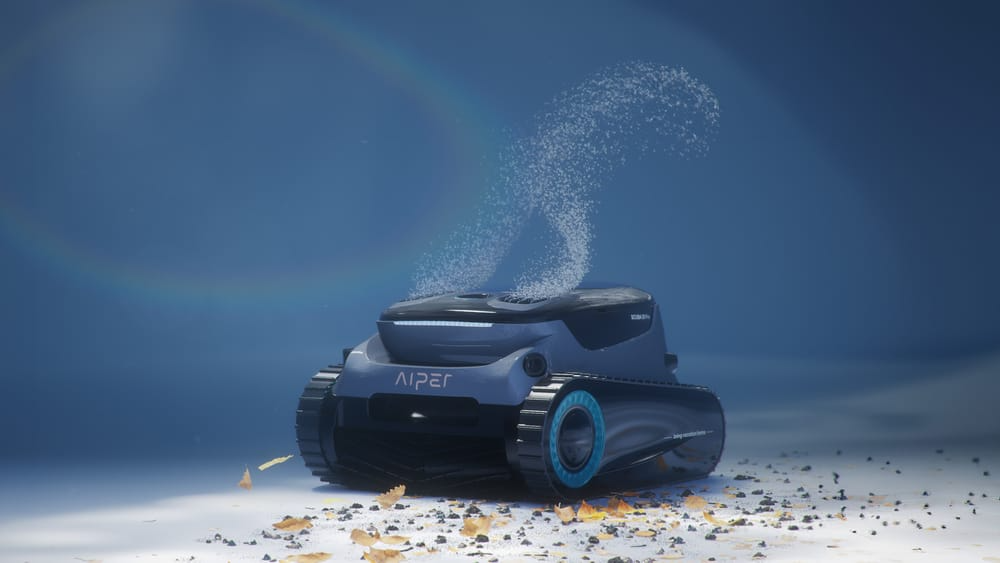 Pool cleaners now come as robots that do the dirty work for pool owners, giving them more time to relax while they can perform basic maintenance. Here is an easy explanation of how they perform and how they help keep the pool clean.
Removing Debris and Particles
Pool cleaners feature brushless motors and a large basket that accumulates dirt and debris as they sweep the floor. These cleaners, once placed in the pool, automatically navigate the pool, covering every corner of the pool and sucking up foreign particles to reduce allergens in pool.
Preventing Algae and Mold Growth
Robotic pool cleaners are excellent for mitigating algae and mold growth. They scrub the floor and vacuum the stubborn algae, filtering water and resulting in a clean, mold-free pool.
Reducing Chemical Irritants
Pool cleaners also work on organic contaminants like chloramines that irritate and cause allergic reactions.
Overall, robotic pool cleaners are generally useful in several ways because they save time, are dependable in performing cleaning, and promote cleaner water.
Why Aiper Pool Cleaners Stand Out
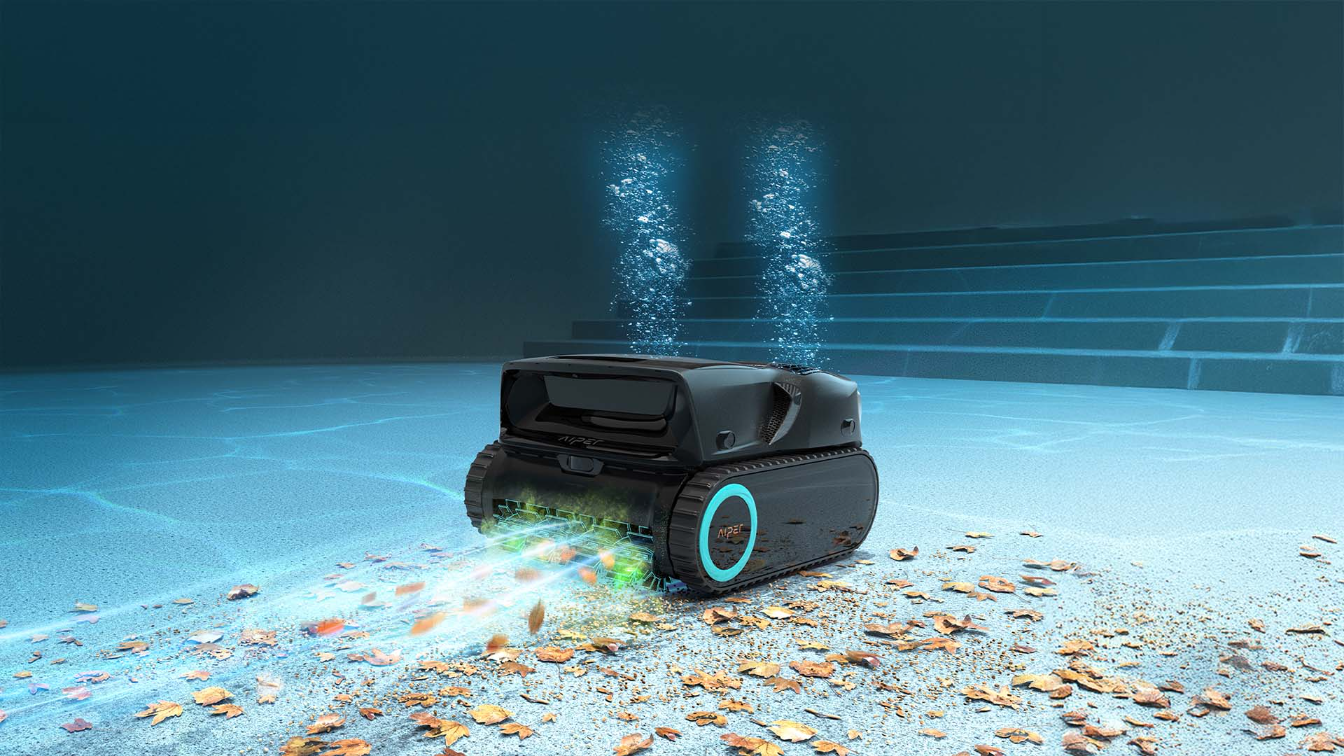 If fighting pool pollutants has become an ordeal for you, it is about time to invest in one of the best pool cleaners available. Aiper pool cleaners, such as the Scuba X1 Pro Max, clean pollen, dust, and algae, making swimming safe and clean.
How It Works
- Powerful Suction: The nine 8500GPH brushless motors effectively remove pollen, dust, and algae, keeping your pool allergen-free.
- Fine Filtration: Filters particles as small as 3 µm, effective for removing allergens.
- Smart Navigation: Covers every pool corner to eliminate mold hotspots.
Conclusion: Swim Happy with a Cleaner Pool
Pool allergens are a nuisance, but not anymore with robotic pool cleaners. They offer an automated, swift, and thorough cleaning process that effectively removes pool allergens, saving pool owners’ time and resulting in a safe and pristine swimming experience.
Ready for a healthier, allergen-free pool? Explore Aiper’s range of pool cleaners today and dive in worry-free.
Before You Go: Extra Tips for an Allergen-Free Pool
To make the most of your pool maintenance, consider the following tips:
- Test water regularly to balance chemicals and avoid chloramine buildup.
- Run your Aiper cleaner more often during pollen season (spring/summer).
- Cover your pool when not used to block dust and pollen.
Ready to take the hassle out of pool maintenance? Whether you're looking for a surface cleaner, a compact cordless option, or a full-featured wall-and-floor robot, Aiper has a solution built for your pool. Spend less time cleaning and more time swimming.
Popular Blogs
Navigating Pool Care Before, During & After a Freeze
Is a major cold front moving your way, bringing with it freezing temperatures and challenging conditions? This is a call for all pool owners to prepare and take a few simple steps to prot...
Popular
7 Things to Know About Swimming Pool Remodeling and Maintenance
Oh, the joys of owning a swimming pool! You enjoy countless hours of ease, entertainment, and exercise. But when you’ve loved your pool so much that it’s ti....
Popular
A New Generation of Pool Finishes
Generally, pool plaster tends to erode over time. This causes the pool surface to cut, scrape, and scratch the skin. A pool plaster finish typically lasts between 5 and IO years. This figure is all based on proper water chemistry and maintenance. For pool owners that want or need to remodel their plaster, there are new types of pool finishes that offer new looks and extended life.
Design Guide, Pool Finishes, Popular
Fire Features: Light Up Your Pool Area
There’s a chill in the air – but that’s no reason to board up the backyard swimming pool area for the winter! In fact, there are so many events and activities that you can ...
Buying Guide, Fire Features, Fire Pits, Fireplaces, Fire Walls, Grill, Outdoor Kitchen, Popular
Backyard Shade Structures: Throw Shade on Hot Days
Old-growth trees that tower above your home and stretch their branches wide to provide a canopy of shade on hot summer days are wonderful. But many homes -- especially homes in new neighborhoods or in certain geographic regions -- lack shade trees. How are you supposed to temper the intensity of the sun’s rays if you lack trees? Conveniently, there are a number of backyard shade coverings that will allow you to enjoy the outdoors all summer long.
Buying Guide, Palapa, Patio Umbrella, Pergola Awning, Popular, Sail Shade, Shade Structures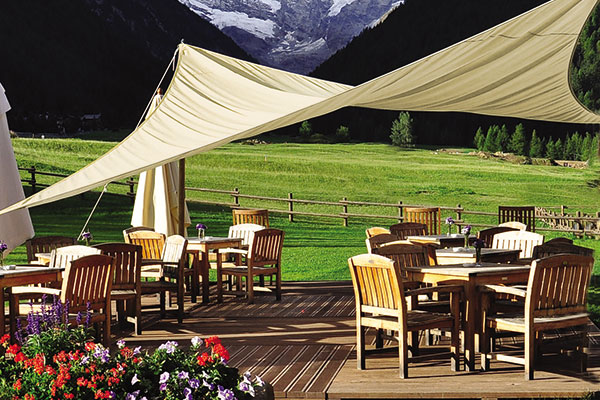
How Long Does it Take to Build a Pool?
So, you’re already dreaming of luxurious lounging and crystal blue water—You want to buy a pool. So how long does it take? Before you get too caught up in your dreams, read up on our step-by-step guide to building a pool. We broke down the process so you can plan ahead and start making those dreams into a reality:
How To, Pool Building, Popular
How to Lose Weight in the Pool – 12 Essential Water Workouts for Burning Fat
Did you know that a swimming pool provides one of the best fat burning workouts available? That’s because water is 800 times denser than air, so every time you kick, pull, or push the water, you’re doing a resistance workout, which burns fat and leads to lean muscle and an increased metabolism.
Fitness, Lifestyle, Popular, Swimming, Weight Loss