Somewhere around September 10th, the Atlantic hurricane season hits its statistical peak — and if you're in a Gulf Coast or Southeast backyard, that's not trivia, it's a countdown you should already know by heart. You don't need to re-learn pool storm prep every time a new system shows up in the forecast. You need a clock, and you need to know what happens at each mark.
Seventy-Two Hours: The Forecast Just Became Your Problem
The moment a storm enters the five-day outlook, before you touch the pool at all, walk your equipment pad and confirm you know exactly where your breaker box is — and look up while you're out there. Dead limbs and overhanging branches near the pool or the pad are worth clearing now, while it's still a weekend chore and not an emergency one. Everything that follows assumes you've already done all three. This is also the point to pull up our complete storm-prep and post-storm checklist — it covers every mechanical step in order. What appears here is the timing and judgment calls that checklist can't make for you.
A storm doesn't have to make landfall to wreck your week. One that stays offshore can still dump a season's worth of rain and debris into your pool in a single afternoon. The clock starts when the storm appears on the map, not when it's confirmed to be coming for you, specifically.

Forty-Eight Hours: Get the Water Right While You Still Can
This is your last window to do anything precise, so use it. Test and balance your sanitizer and pH now and shock the water while you can still dose it accurately — that reserve is what will hopefully carry your chemistry through the days ahead when testing and treating may not be an option. If appropriate, add a preventive dose of algaecide while you're at it; a head start beats catching a bloom after it's already started. If you run a saltwater system, confirm your salt level is where it should be; fine adjustments may become impossible once conditions turn.
Weather Warnings: Whatever you do, don't drain the pool, not even partially. An empty or low pool can pop out of the ground once the surrounding soil saturates with groundwater, and that repair costs far more than any water damage the storm itself would cause. If you're going to err in either direction, top off a little high; a few inches of overflow is a cheap problem compared to a pool that's floated out of its shell. If you'd rather lower the water a bit ahead of heavy rain instead, that works too — just stop well short of the skimmer, since the pop-out risk from saturated ground matters more than a few extra inches of rainwater.
Shut off automatic fill lines, bring your automatic cleaner inside, and clear the deck of anything loose enough to become a projectile — floats, skimmer baskets, solar blankets, umbrellas, grills, furniture. Resist the urge to toss any of it into the pool for safekeeping; chemical residue and sharp edges do more damage sitting in your water than sitting outside it.
Twenty-Four Hours: Power Down and Button Up
Cut power to the pump, heater, and everything else at the breaker itself, not just at the unit — if you run a gas heater, consult with your Pool Professional on whether you should shut the gas off at the valve too — and get the equipment pad covered if it isn't enclosed already. If the pad sits somewhere where flooding is a real risk, sandbag around it and wrap anything you can't move in waterproof covering, cinched down tight. Now's the time for a final security sweep of the yard, not the pool itself. Bring in or latch down anything that could catch wind — patio furniture, potted plants, statuary, umbrellas, trampolines, grills, and anything still leaning against a fence or wall. Stow ladders, hoses, and pool toys inside a garage or shed rather than leaving them poolside where they can become debris. A secure perimeter matters just as much as a secure yard: check that gates latch and any loose fence panels, lattice, or screen enclosure sections are reinforced or braced — a fence or screen failure in high wind often does more damage, and puts more into your pool, than the storm itself would on its own.
Do one more lap of the yard. Wind doesn't need a direct hit to turn a planter or a chair into a real problem.
After: Resist the Urge to Flip the Breaker Back On
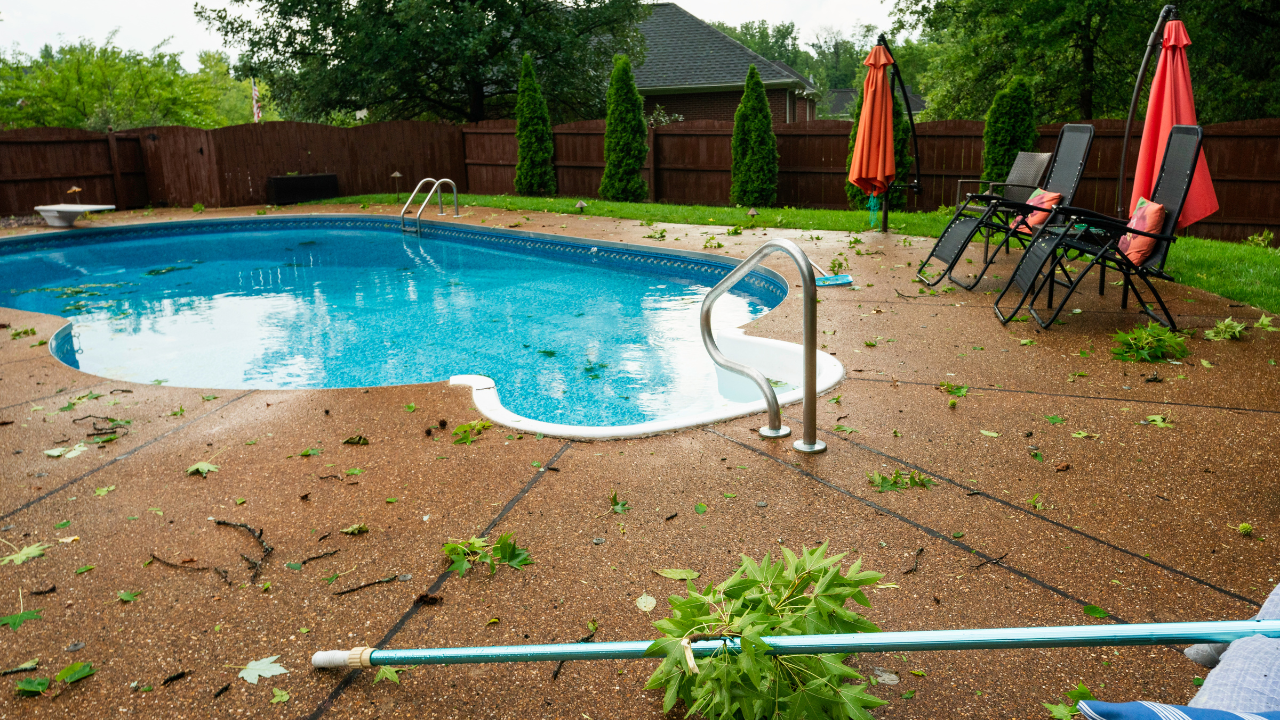
Once the weather clears, the instinct is to get everything running again immediately. Don't — inspect the equipment pad first for standing water, downed lines, or debris, because running a pump through water intrusion is exactly how a manageable storm turns into an expensive one. If a motor was actually submerged, get it professionally serviced before you run it — don't just flip the breaker and hope.
Clear branches, leaves, and any other debris out of the water before you restart the pump; running it into a load like that is how you clog a suction line on day one of cleanup. Wear shoes going back in — storm debris underwater isn't something you want to find with a bare foot. Empty the pump and skimmer baskets, reopen any valves you shut before the storm, and get circulation going again before anything else.
Skim the surface before floating debris has a chance to sink and start decomposing and give the water a couple of hours of circulation after the rain stops before you re-test it. Heavy rain dilutes your chemistry more than it looks like it should from the deck, and testing too soon may get you an inaccurate reading.
If the pool took on real runoff or storm surge, treat it as a full re-balance rather than a quick touch-up — a second shock may be needed to clear the oxidizer demand that runoff dumps into the water, and a preventive dose of algaecide is worth adding before you can actually see a bloom starting. A single storm event can push pH, alkalinity, and sanitizer well outside their normal range all at once, so testing and balancing water is important.
Set Your Clock Before the Season Sets It For You
Hurricane season doesn't give much notice, but it gives some — and the gap between a rough week and a genuinely damaged pool almost always comes down to whether that notice got used. Learn your 72-hour mark now, while the sky is clear, not while a system is already spinning up in the Gulf.
Want a second set of eyes on your setup before the next one forms? Find a Pool Pro near you for a pre-season storm-readiness check.
Popular Blogs
Navigating Pool Care Before, During & After a Freeze
Is a major cold front moving your way, bringing with it freezing temperatures and challenging conditions? This is a call for all pool owners to prepare and take a few simple steps to prot...
Popular
7 Things to Know About Swimming Pool Remodeling and Maintenance
Oh, the joys of owning a swimming pool! You enjoy countless hours of ease, entertainment, and exercise. But when you’ve loved your pool so much that it’s ti....
Popular
A New Generation of Pool Finishes
Generally, pool plaster tends to erode over time. This causes the pool surface to cut, scrape, and scratch the skin. A pool plaster finish typically lasts between 5 and IO years. This figure is all based on proper water chemistry and maintenance. For pool owners that want or need to remodel their plaster, there are new types of pool finishes that offer new looks and extended life.
Design Guide, Pool Finishes, Popular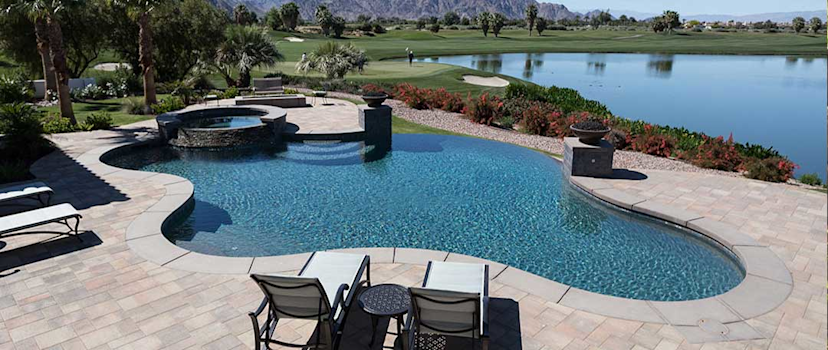
Fire Features: Light Up Your Pool Area
There’s a chill in the air – but that’s no reason to board up the backyard swimming pool area for the winter! In fact, there are so many events and activities that you can ...
Buying Guide, Fire Features, Fire Pits, Fireplaces, Fire Walls, Grill, Outdoor Kitchen, Popular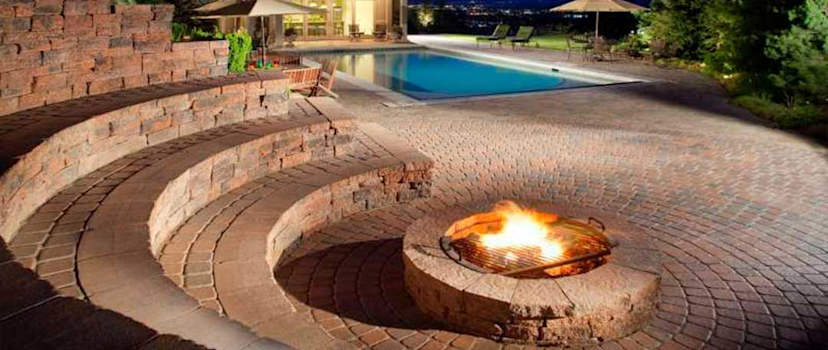
Backyard Shade Structures: Throw Shade on Hot Days
Old-growth trees that tower above your home and stretch their branches wide to provide a canopy of shade on hot summer days are wonderful. But many homes -- especially homes in new neighborhoods or in certain geographic regions -- lack shade trees. How are you supposed to temper the intensity of the sun’s rays if you lack trees? Conveniently, there are a number of backyard shade coverings that will allow you to enjoy the outdoors all summer long.
Buying Guide, Palapa, Patio Umbrella, Pergola Awning, Popular, Sail Shade, Shade Structures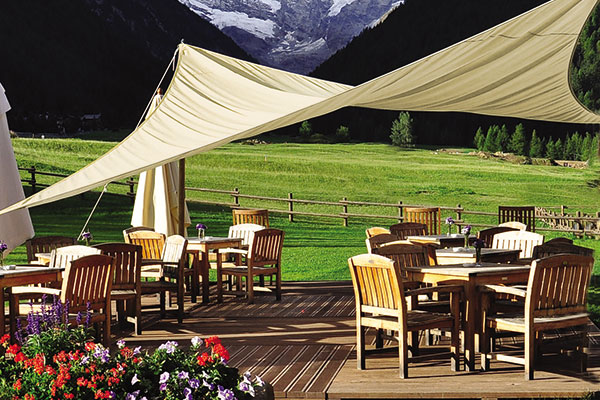
How Long Does it Take to Build a Pool?
So, you’re already dreaming of luxurious lounging and crystal blue water—You want to buy a pool. So how long does it take? Before you get too caught up in your dreams, read up on our step-by-step guide to building a pool. We broke down the process so you can plan ahead and start making those dreams into a reality:
How To, Pool Building, Popular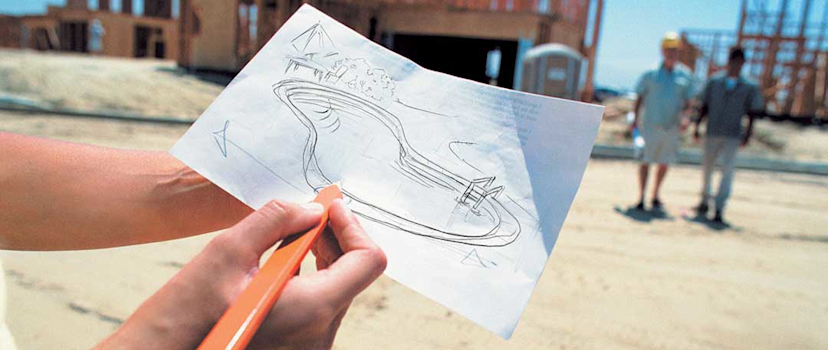
How to Lose Weight in the Pool – 12 Essential Water Workouts for Burning Fat
Did you know that a swimming pool provides one of the best fat burning workouts available? That’s because water is 800 times denser than air, so every time you kick, pull, or push the water, you’re doing a resistance workout, which burns fat and leads to lean muscle and an increased metabolism.
Fitness, Lifestyle, Popular, Swimming, Weight Loss